The Complete Guide to Driveway Cleaning in Cronulla
Cronulla's coastal position gives homeowners beautiful beaches and sea breezes, but it also creates specific challenges for driveways. Salt-laden air, humidity, shaded lots, falling leaves and regular rainfall all contribute to staining, slippery surfaces and premature wear. This guide explains what affects driveways in Cronulla and the Sutherland Shire, which cleaning methods suit each surface, and how to keep your driveway looking good in 2026 and beyond.
Why Driveways in Cronulla Need Regular Cleaning
Driveways are exposed to more than vehicle traffic. In a coastal suburb like Cronulla, several local factors speed up dirt build-up and surface deterioration.
Salt Air and Moisture
Salt particles carried on the sea breeze settle on concrete, pavers and sealed surfaces. Over time, salt can draw moisture into porous materials, encouraging efflorescence (white, powdery deposits) and contributing to surface scaling on concrete. Regular rinsing and cleaning helps reduce salt accumulation.
Mould, Algae and Moss
Sydney's humid climate and frequent rain create ideal conditions for black mould, green algae and moss, especially on south-facing driveways or those shaded by trees, fences and neighbouring buildings. These organisms are not only unsightly, they make surfaces dangerously slippery when wet.
Oil, Grease and Tyre Marks
Vehicle leaks and hot tyres leave oil stains and rubber marks. The longer oil sits on porous concrete or pavers, the deeper it soaks in and the harder it is to remove.
Organic Debris and Tannin Stains
Leaves, flowers, palm fronds and berries from Shire trees such as figs, bottlebrush and eucalypts break down and leave tannin stains. Wet debris also holds moisture against the surface and feeds mould growth.
Common Driveway Surfaces in the Sutherland Shire
The right cleaning method depends on the material. Using the wrong pressure or chemical can cause permanent damage.
Plain and Exposed Aggregate Concrete
Concrete is the most common driveway material in Sydney. It is durable but porous, so it absorbs oil, rust and organic stains. Exposed aggregate looks great when clean but can lose small stones if blasted with excessive pressure or if the sealer has failed.
Stamped and Coloured Concrete
Decorative concrete is usually sealed. Harsh chemicals or high pressure can strip the sealer and fade the colour, so gentle cleaning and resealing as needed are important.
Concrete and Clay Pavers
Pavers are popular in coastal homes. Cleaning can loosen the sand between joints, so re-sanding or applying polymeric jointing sand after cleaning helps keep pavers stable and discourages weeds.
Asphalt and Bitumen
Asphalt is softer and can be damaged by strong solvents and heat. Cleaning should be gentle, using low pressure and mild detergents.
Natural Stone and Brick
Sandstone, bluestone and brick are common on character homes. Sandstone in particular is soft and vulnerable to erosion, so it often requires low-pressure or soft-wash cleaning.
Driveway Cleaning Methods Explained
Pressure Washing
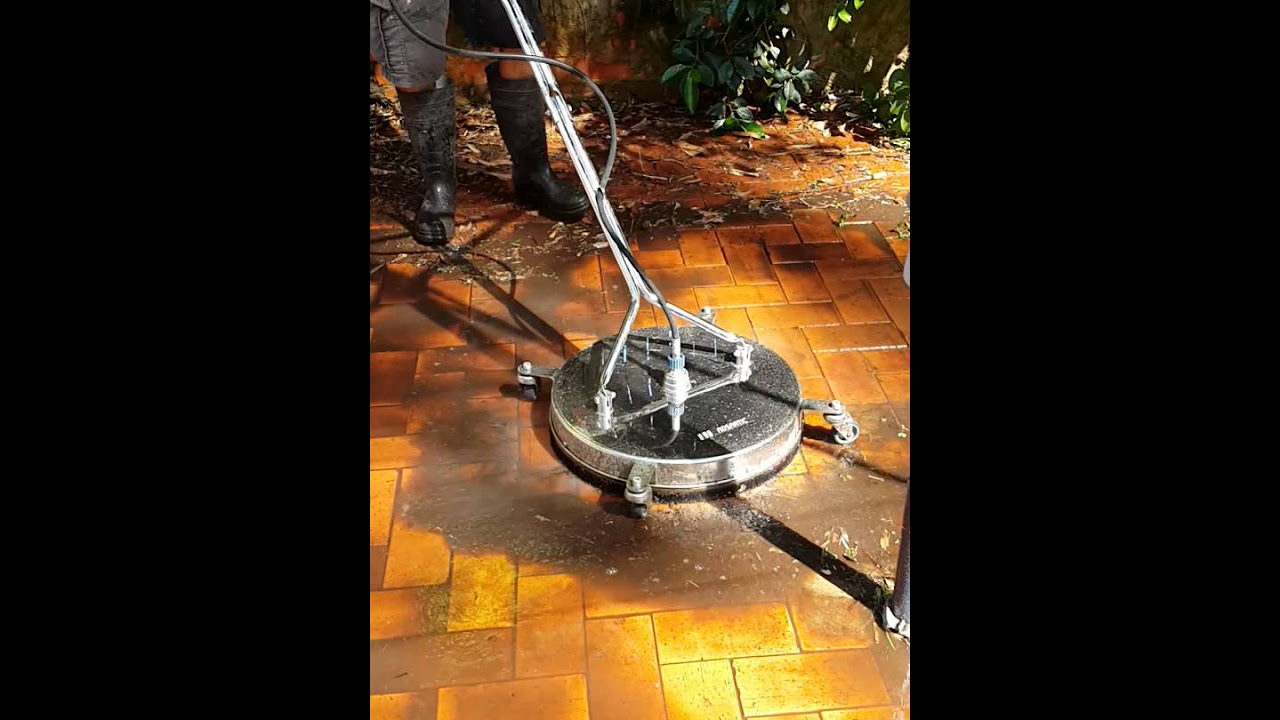
High-pressure water is the standard method for removing dirt, mould and surface grime from concrete. Professionals use commercial machines and surface cleaners (rotating spinner attachments) that deliver an even finish and avoid the streaky "zebra stripes" common with DIY wands. Pressure must be matched to the surface to avoid etching or gouging.
Soft Washing
Soft washing uses low pressure combined with biodegradable or mild cleaning solutions to kill mould, algae and bacteria at the root. It suits delicate surfaces such as sandstone, older pavers and sealed finishes, and often gives longer-lasting results against regrowth.
Hot Water Cleaning
Hot water helps break down grease and oil. It can be effective on commercial-style stains and on heavily soiled areas near garages and carports.
Spot Treatment for Oil and Rust
Stubborn stains typically need targeted products. Degreasers, poultices and rust removers are applied to the affected area and left to dwell before rinsing. Fresh stains respond far better than old ones.
Step-by-Step: Cleaning Your Driveway Properly
Whether you hire a professional or tackle it yourself, the process is similar.
- Clear the area: Remove vehicles, bins, pot plants and loose debris, then sweep the surface.
- Protect surroundings: Cover or wet down nearby plants, and check that doors, vents and windows are closed.
- Pre-treat stains: Apply degreaser to oil marks and a mould treatment to affected areas, allowing the recommended dwell time.
- Wash systematically: Work in overlapping sections from the highest point downhill, keeping the nozzle or surface cleaner at a consistent distance.
- Clean edges and joints: Use a lance or brush for borders, gutters and paver joints.
- Rinse thoroughly: Remove all detergent and loosened grime, directing runoff appropriately.
- Allow to dry and inspect: Check for missed spots, then consider sealing once the surface is fully dry.
Environmental and Council Considerations
Stormwater in Cronulla flows to drains that lead to local waterways, Botany Bay and the ocean. Wash water carrying detergents, oil or sediment should not be allowed to enter stormwater drains where avoidable. Responsible practices include:
- Choosing biodegradable, low-phosphate cleaning products
- Using drain covers or wet vacuum recovery systems where appropriate
- Directing wash water onto lawn or garden areas only when it contains no harmful chemicals
- Avoiding cleaning during heavy rain or strong winds
- Checking current Sutherland Shire Council guidelines and NSW EPA requirements on stormwater pollution
Professional cleaners typically follow these practices as part of their standard operating procedures. Also be aware that water restrictions can change, so check Sydney Water's current rules before using large volumes of water.
DIY vs Hiring a Professional
When DIY Makes Sense
A light clean on a small, sturdy concrete driveway can be manageable with a quality pressure washer, a surface cleaner attachment and appropriate safety gear. Light mould and dust respond well to regular maintenance washing.
When to Call a Professional
Consider a professional if your driveway is large or sloping, has delicate surfaces, https://erickmbeg788.theglensecret.com/what-is-soft-washing-and-when-is-it-better-than-pressure features deep oil stains, or has heavy mould growth. Professionals have commercial equipment, know the correct pressure and chemical selection for each material, and reduce the risk of damage, injury or water mismanagement. Be sure any provider carries public liability insurance and can explain their wastewater approach.
Sealing Your Driveway After Cleaning
Sealing is one of the most effective ways to prolong the results of a clean. A quality penetrating or topical sealer helps resist oil, water, salt and mould, and can enhance colour. Key points include:
Surfaces must be completely clean and dry before sealing. Different sealers suit different materials, so choose a product designed for your surface, whether concrete, pavers or stone. Slip resistance matters, particularly on sloping driveways, so ask about anti-slip additives or satin finishes. Resealing is generally needed every two to five years depending on the product, traffic and sun exposure.
How Often Should You Clean a Driveway in Cronulla?
Frequency depends on shade, tree cover, surface type and how close you are to the water. As a general guide:
Most driveways benefit from a thorough clean once every 12 months. Shaded or heavily vegetated driveways may need cleaning every six to nine months to control mould and algae. Homes very close to the beachfront may benefit from regular rinsing between cleans to reduce salt deposits. Oil and fuel spills should be treated as soon as possible rather than waiting for the annual wash.
Tips to Keep Your Driveway Cleaner for Longer
Simple maintenance can extend the time between major cleans. Sweep regularly to remove leaves and debris, and trim back overhanging branches to increase sunlight and airflow. Fix leaking gutters or downpipes that overflow onto the driveway. Place drip trays or mats under vehicles with known leaks. Apply a mould-inhibiting treatment after cleaning, and keep the sealer in good condition.
Choosing a Driveway Cleaning Service in the Sutherland Shire
When comparing local providers, look for clear written quotes, experience with your particular surface, and transparent information about the products and methods used. Ask about before-and-after photos of similar projects, insurance cover, and how wastewater will be managed. Local knowledge of coastal conditions in Cronulla, Woolooware, Kurnell, Caringbah and surrounding suburbs is a real advantage, because salt exposure, shade and soil conditions vary across the Shire.
Final Thoughts
A clean driveway improves kerb appeal, enhances safety and protects your investment. In Cronulla's salty, humid environment, regular cleaning matched to the right surface and method is essential. Whether you choose to do it yourself or engage a professional, focus on using appropriate pressure, environmentally responsible products and proper sealing. Looking ahead to 2027 and beyond, a consistent maintenance routine will keep your driveway safe, attractive and durable for years to come.
Sutherland Shire Pressure Cleaning Pros
Unit 4/78 Bellingara Rd, Miranda NSW 2228
(02) 9541 8700